


We finance, install and manage onboard carbon capture systems on commercial vessels. Captured CO2 is purified to 99.9%, liquefied and delivered to industrial end users from ports globally.
Industrial CO2 supply is structurally unreliable. Most commercial CO2 is produced as a byproduct of ammonia and ethanol manufacturing. When gas prices spike, plants shut down and supply disappears. CO2 shortages have disrupted food production, beverage manufacturing, water treatment and healthcare in markets across the world.
Commercial shipping faces rising costs for CO2 emissions through carbon pricing mechanisms, fuel intensity regulations and vessel efficiency ratings. Alternative fuels are not yet available at the scale required. Vessels using combustable fuels will continue to produce CO2 for years to come.
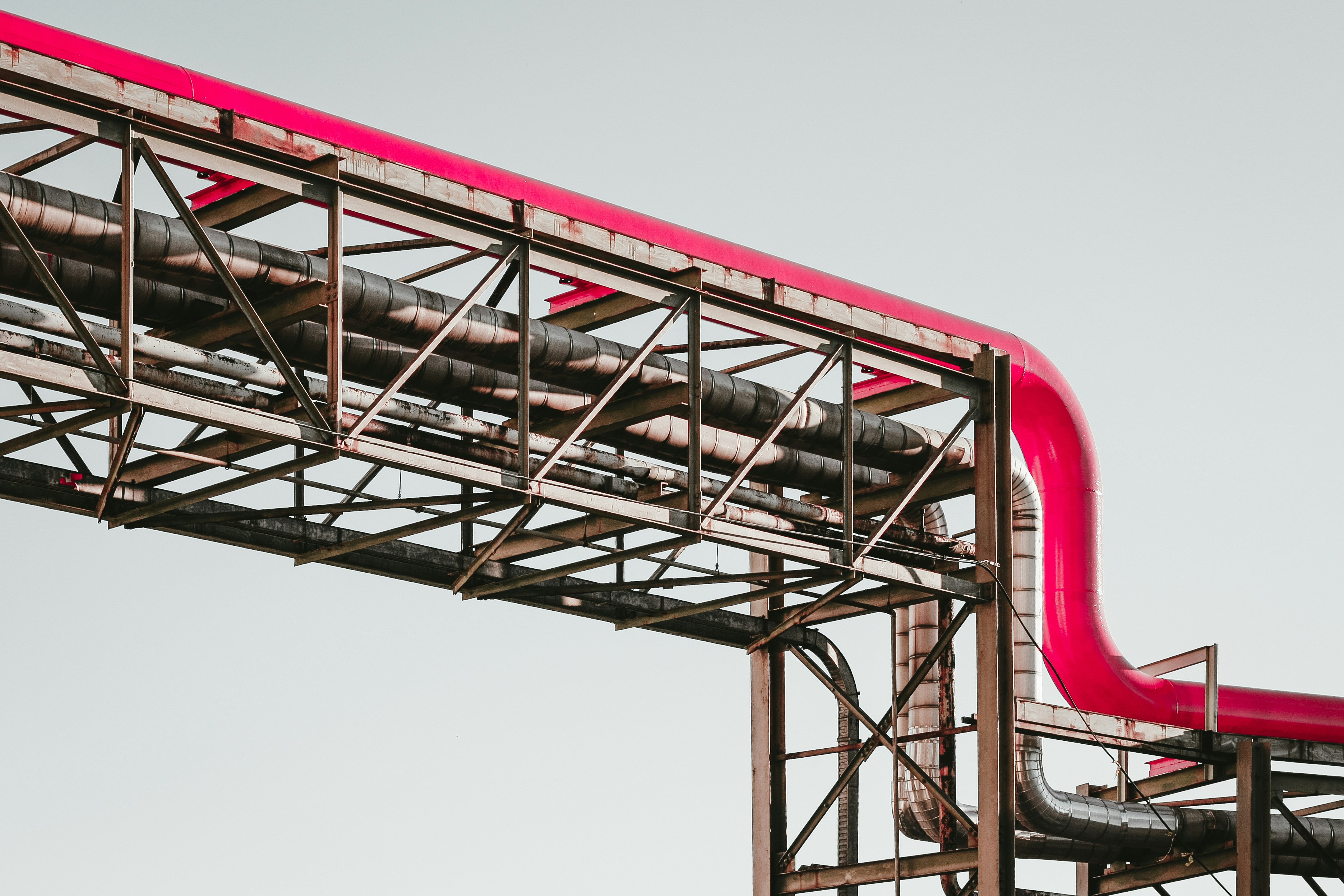
We finance and install proven carbon capture systems on commercial vessels.
CO2 is captured onboard using amine based absorption, then purified to 99.9%.
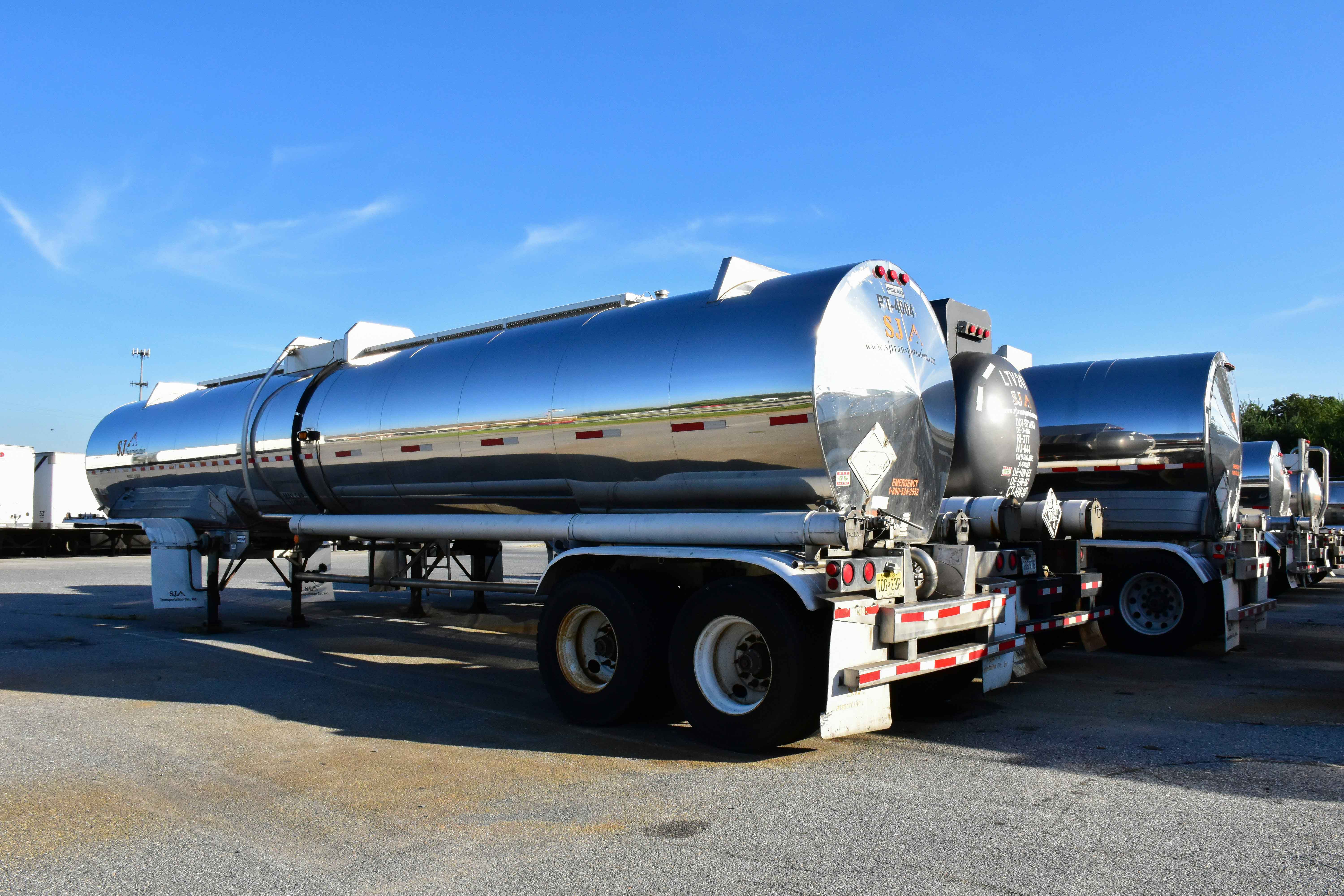
Liquid CO2 is transferred at port to cryogenic tankers or piped to buffer storage facilities.
CO2 is distributed to industrial end users through established logistics networks.
The CO2 that shipping pays to emit is the CO2 that industry pays to source. We close the loop.
As long as global trade moves by sea, commercial vessels will produce CO2.
That makes maritime carbon capture one of the most consistent potential sources of industrial CO2 available. For shipowners, it means captured CO2 has a destination and a value beyond regulatory compliance costs.
If you're looking to diversify your CO2 supply or reduce the carbon cost of your fleet, let's have a conversation.
Get in touch →