


Fully managed onboard carbon capture as service
Shipowners can reduce their carbon liability and improve their CII rating without changing fuel, engine or operations.
How it works
1. Assessment
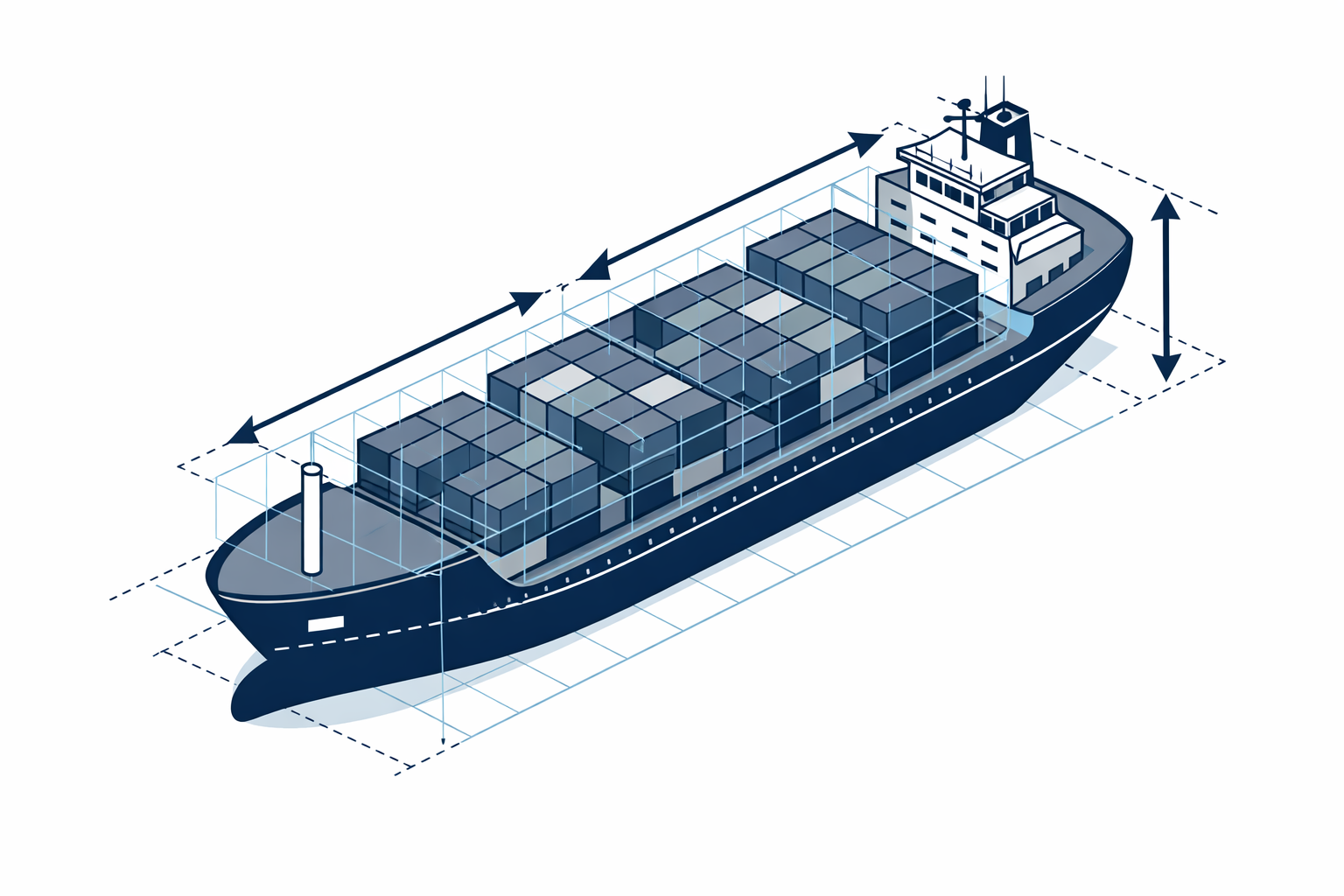
Each engagement begins with a vessel-specific feasibility study. Sequestral evaluates engine configuration, exhaust gas characteristics, available deck and hold space, and operational profile to determine the optimal capture system, expected capture rate and projected CO2 volumes per voyage.
2. Financing
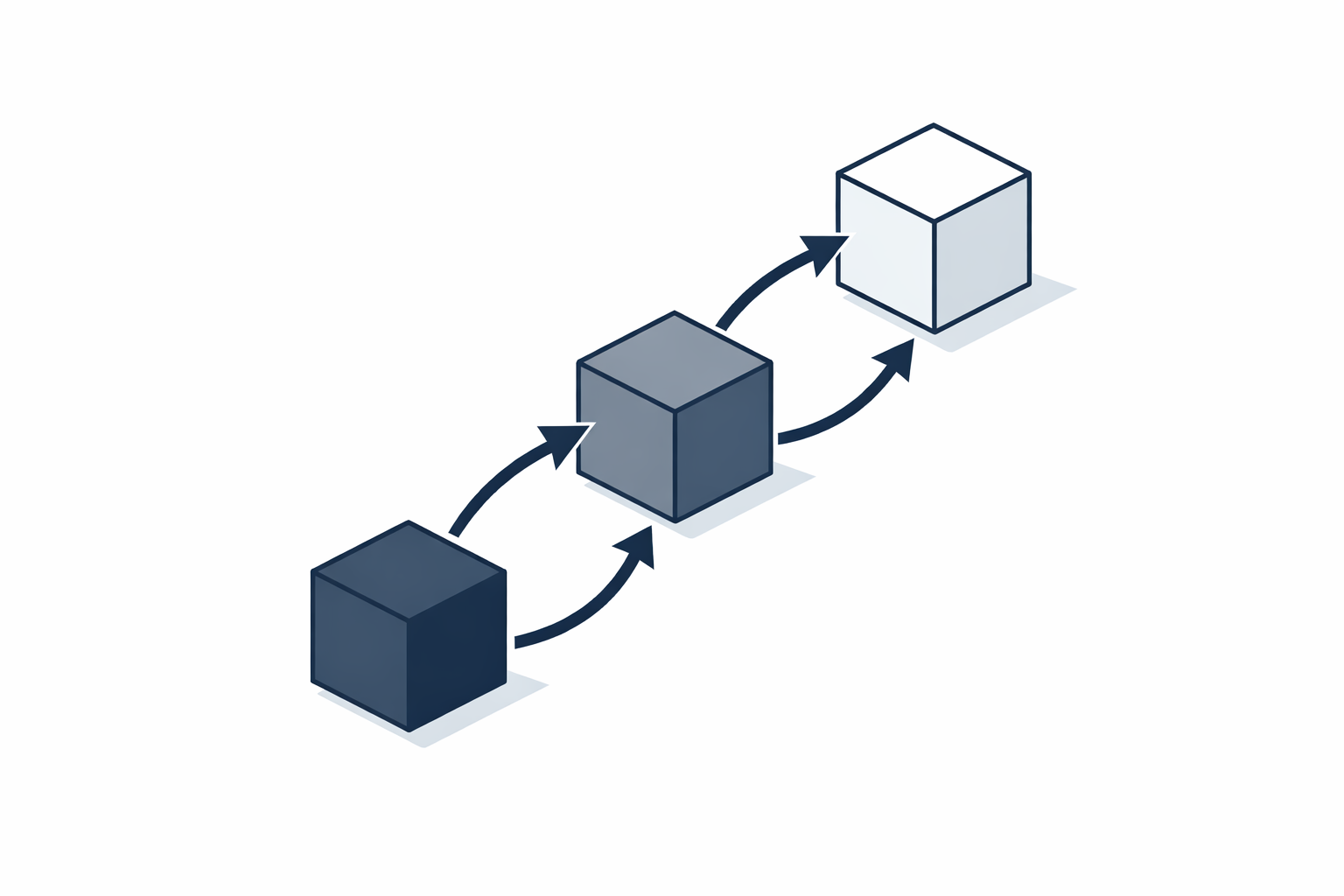
We offer two financing models. Under a fully financed model, we cover all equipment and installation costs. Under a co-investment model, the shipowner contributes to the capital outlay in exchange for a share of the CO2 revenue. Both models include full operational management throughout the system's lifecycle.
4. Installation
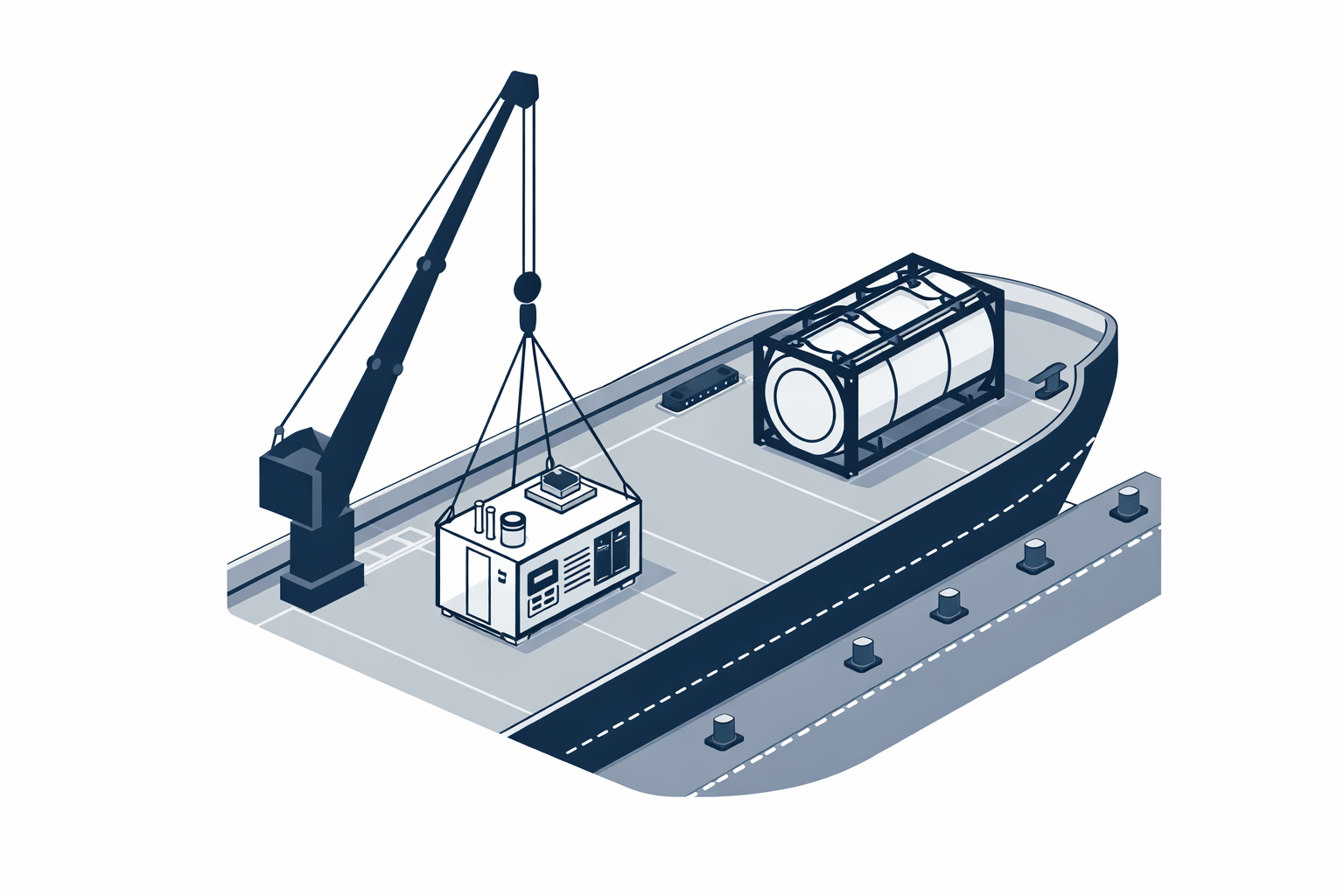
Installation is carried out alongside or during scheduled dry dock by specialist technical partners, coordinated by us. Each installation is preceded by detailed integration design covering system placement, ISO tank positioning and connection to existing exhaust systems. The process is designed to minimise time out of service.
5. Operation
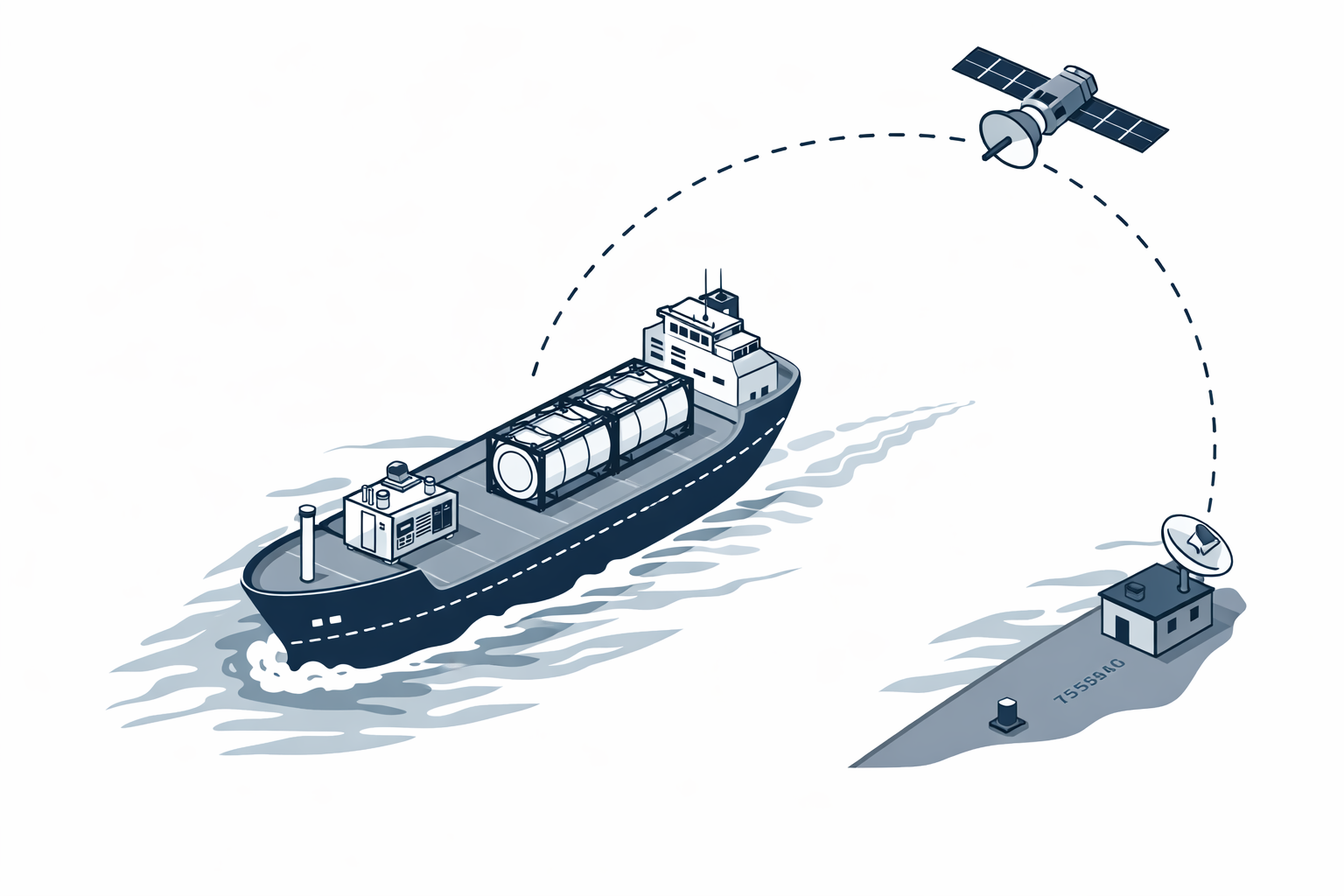
Once installed, the capture system runs continuously during voyages. CO2 is captured from engine exhaust, purified to 99.9% and liquefied for onboard storage. System performance is monitored remotely. Scheduled maintenance, consumable replenishment and technical support are managed by us. Crew involvement is limited to routine visual checks.
6. Offtake
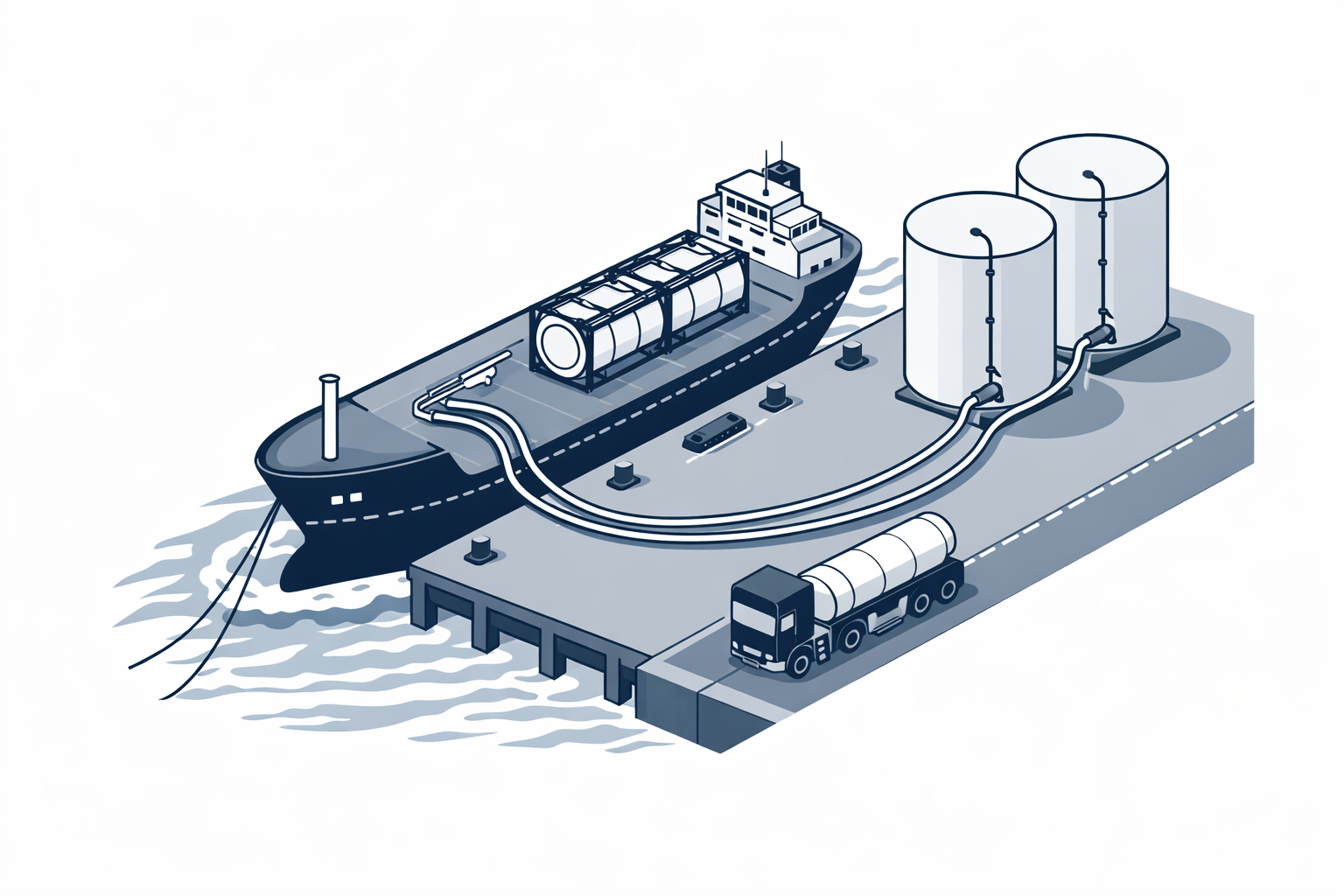
At port, liquid CO2 is offloaded to cryogenic storage facilities or tanker. We manage the entire downstream process from storage, quality assurance, logistics and sale to industrial end users. The shipowner has no involvement in the CO2 once it leaves the vessel and no responsibility for finding buyers or managing port operations.
7. Compliance
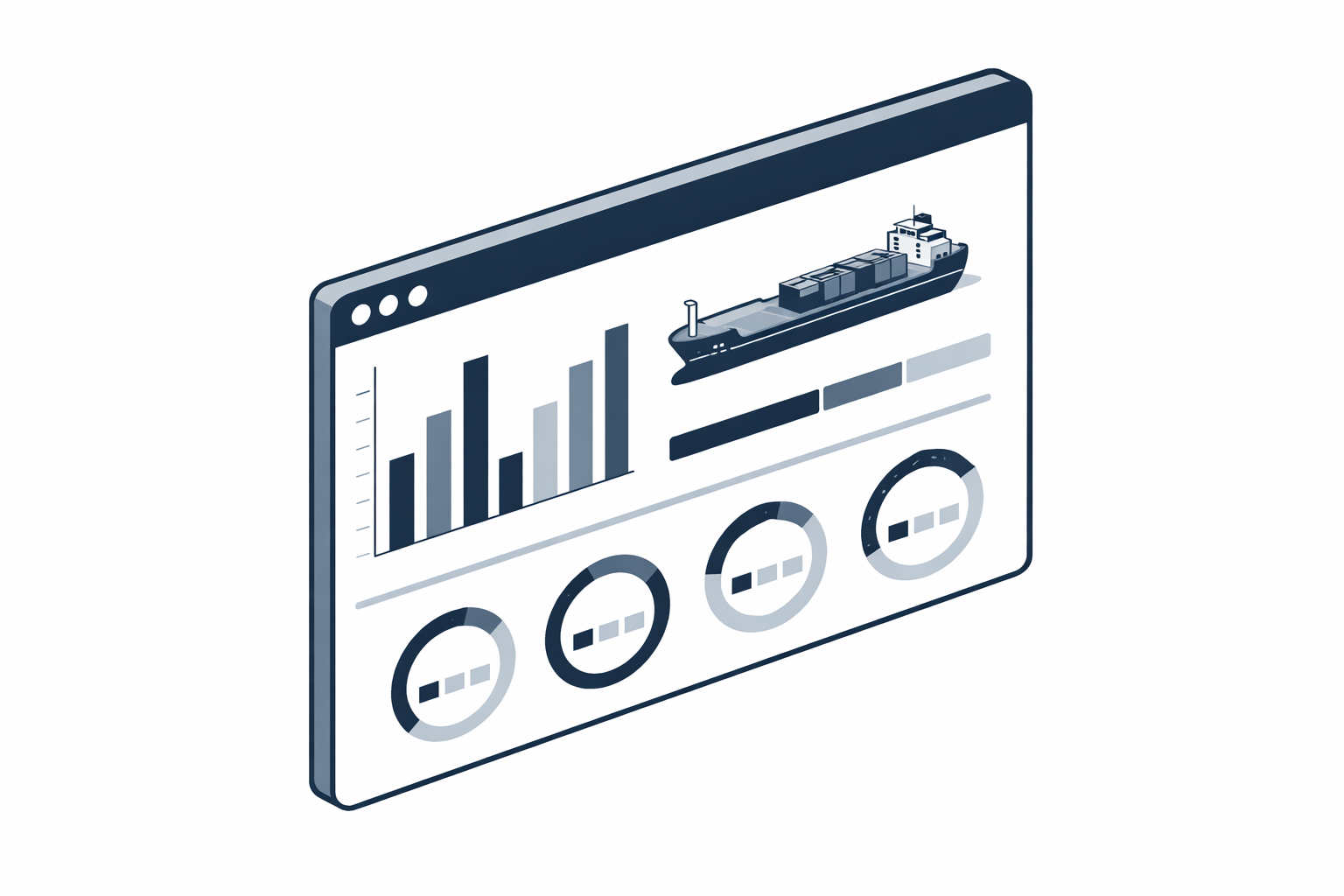
Every tonne of CO2 captured is documented and verified. We provide emissions data aligned with EU ETS, CII and FuelEU Maritime requirements, formatted for regulatory submissions and compatible with THETIS-MRV. The data supports regulatory audits, sustainability reporting and charter party obligations where CII performance commitments apply.
Two service structures.
Fully Financed
We cover all equipment and installation costs and manages ongoing operations. The shipowner benefits from reduced emissions with no capital investment.
- No upfront capital investment
- Fixed monthly service fee based on % ETS saving
Co-Invested
The shipowner contributes to the equipment cost in exchange for a share of the CO2 revenue. A route for owners who want to participate in the commercial upside.
- Shared capex commitment
- Reduced monthly service fees
- Shared revenue from CO2 revenue
Example: LR2 tanker
Carbon capture systems can be retrofitted to existing commercial vessels or new builds. The example below shows indicative performance for an LR2 tanker. Actual capture rates and volumes will vary by vessel type, engine configuration and operational profile.
Each vessel undergoes a dedicated feasibility study to determine system placement, storage configuration and impact on cargo capacity before any commitment is made.
*Figures are indicative and subject to vessel specific feasibility assessment.
Why it matters for your fleet
Lower carbon costs
Onboard carbon capture reduces your vessel's reportable emissions, directly lowering your EU ETS allowance requirements and exposure to other carbon pricing mechanisms.
Improved CII rating
Capturing CO2 reduces your vessel's annual carbon intensity without requiring slow steaming, power limitation or operational compromise. A better rating strengthens your charter market position.
Extended vessel life
Older vessels face declining CII ratings that reduce their commercial attractiveness and resale value. Onboard carbon capture extends the commercial life of existing tonnage.
Transition readiness
Onboard carbon capture is recognised by the IMO as a complementary abatement technology alongside the fuel transition. It positions your fleet for compliance as regulations tighten, without committing to a single fuel pathway.
Assess your vessels
Contact us to discuss how onboard carbon capture could work for your fleet. We start with a vessel assessment covering technical feasibility, projected capture volumes and emissions impact.