


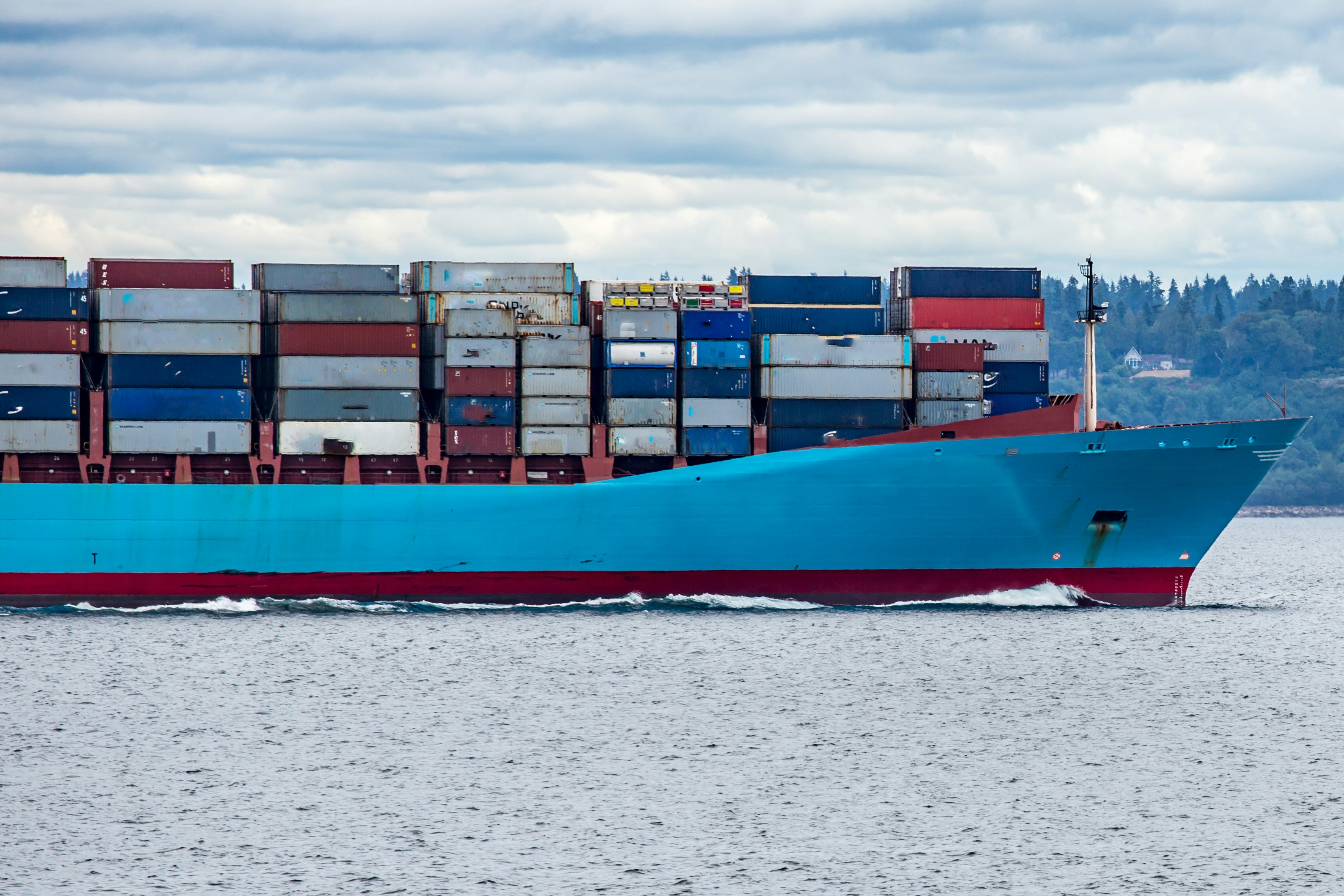
Making maritime carbon capture a commercial reality
Onboard carbon capture technology is proven and maritime emissions regulations are now in force, but no commercial model exists to connect captured CO2 with the industrial markets that need it. We are building that model.
How the model works
We operate between two markets. On the maritime side, we finance and manage onboard carbon capture systems on commercial vessels. The shipowner's emissions reduce without operational disruptions.
On the industrial side, the captured CO2 is supplied to end users at 99.9% purity. The model is designed to generate revenue from CO2 supply while also reducing the shipowner's carbon costs, creating commercial value on both sides of the chain.
Proven chemistry. New application.
Amine based capture
Post-combustion amine absorption has been used to produce commercial CO2 from industrial sources for decades.
Fuel agnostic
The capture systems work with HFO, MDO and LNG powered vessels. No fuel change is required.
No engine modification
The system operates downstream of the engine. No changes to existing machinery or vessel architecture.

Why Now?
Three things have changed in the last two years. Maritime carbon pricing is now in force, with EU ETS covering commercial shipping from 2024 and the IMO approving a draft global emissions pricing framework in April 2025.
Alternative fuels remain years from widespread adoption, leaving shipowners with no near term route to significantly reduce emissions from existing vessels, and industrial CO2 supply continues to contract, with repeated shortages since 2018 driven by the decline of the ammonia and ethanol plants that produce most commercial CO2 as a byproduct.
These three conditions create the market for maritime carbon capture as a commercial opportunity. Two years ago, they did not exist together.
Talk to us.
If you see an opportunity in maritime carbon capture, whether as a partner, buyer, shipowner or investor, we would welcome the conversation.